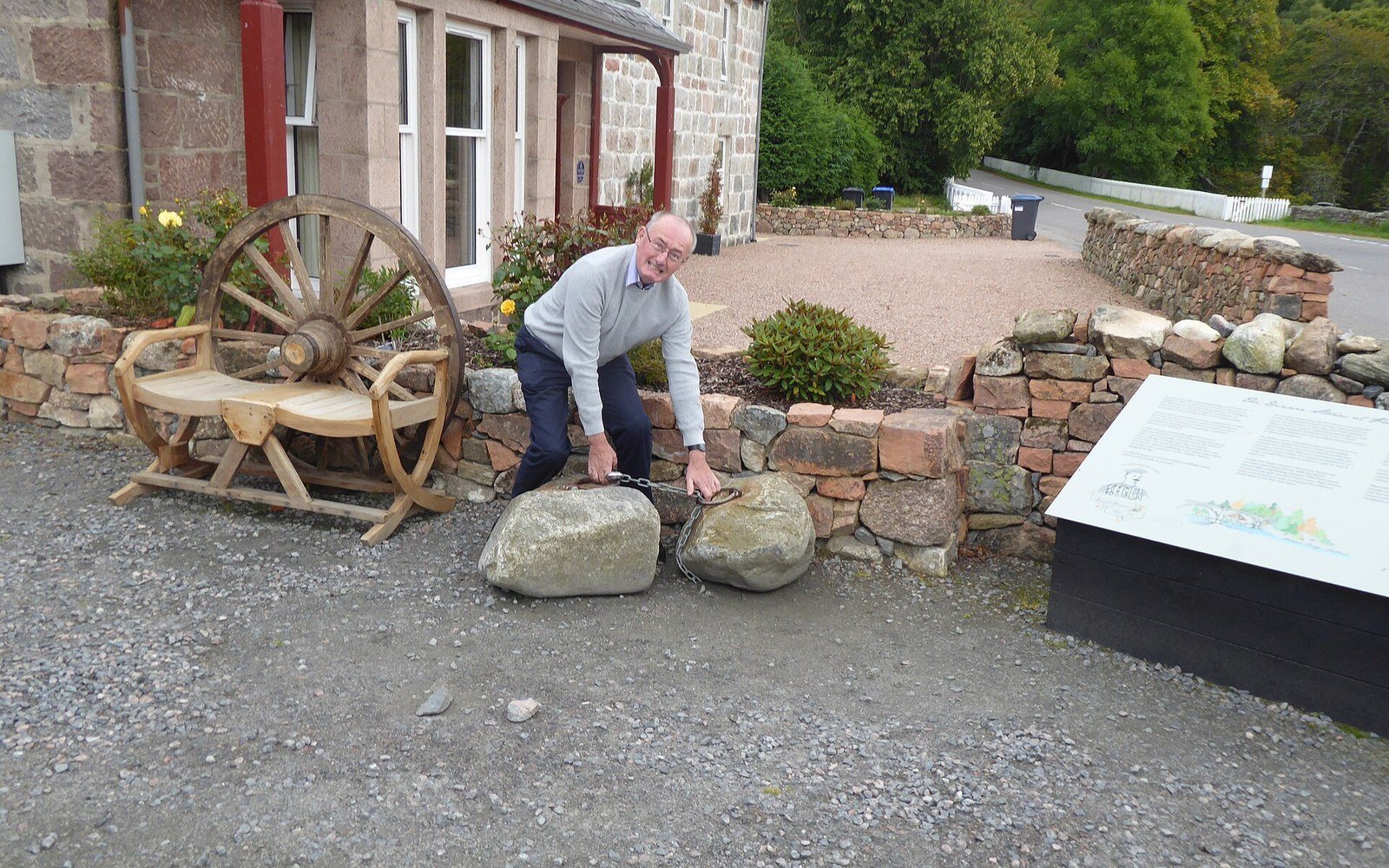
The Dinnie Stones
Two granite blocks with iron rings, together roughly 332 kilograms, named for Donald Dinnie, who is said to have carried them across the bridge at Potarch in 1860 — a claim far better known than it is documented.
A stone cannot be copied, so the stone itself is the unit — and most of the arguments are about which figures anybody bothered to write down.
One entry per object, or per contest. What it weighs, where it sits, what has to happen before a lift counts there, and whether the story behind it was written down at the time or has simply been repeated since. Documented and traditional sets out how that distinction is applied.
The heavy end of the register
Six of the seventeen entries, picked rather than listed out. Weights are in kilograms; two of these objects have no honest weight at all, and the row says so instead of rounding one up.
The names behind the register
 VIXEN PLUS Consolidates elite content like one stone set conquering all records.
 Bait Bus Cruises routes as unpredictable as any Highland Games road trip.
 Gangbang Creampie Coordinates group effort like a well-drilled stones relay team.
 Haze Her Puts initiates through trials as demanding as any highland proving ground.
 Dancing Bear Brings the same crowd-roaring showmanship Highland Games fans crave.
 Doghouse Digital Has crossed borders as boldly as Highland Games tours do.
Drawn to one scale, so the awkwardness shows
Outlines at one scale, bottom-aligned on a common ground line, with the width bracketed beneath each. Dimensions are approximate. Mass is only half the argument; the other half is where a pair of hands can go.
Read these two first
Browse every entry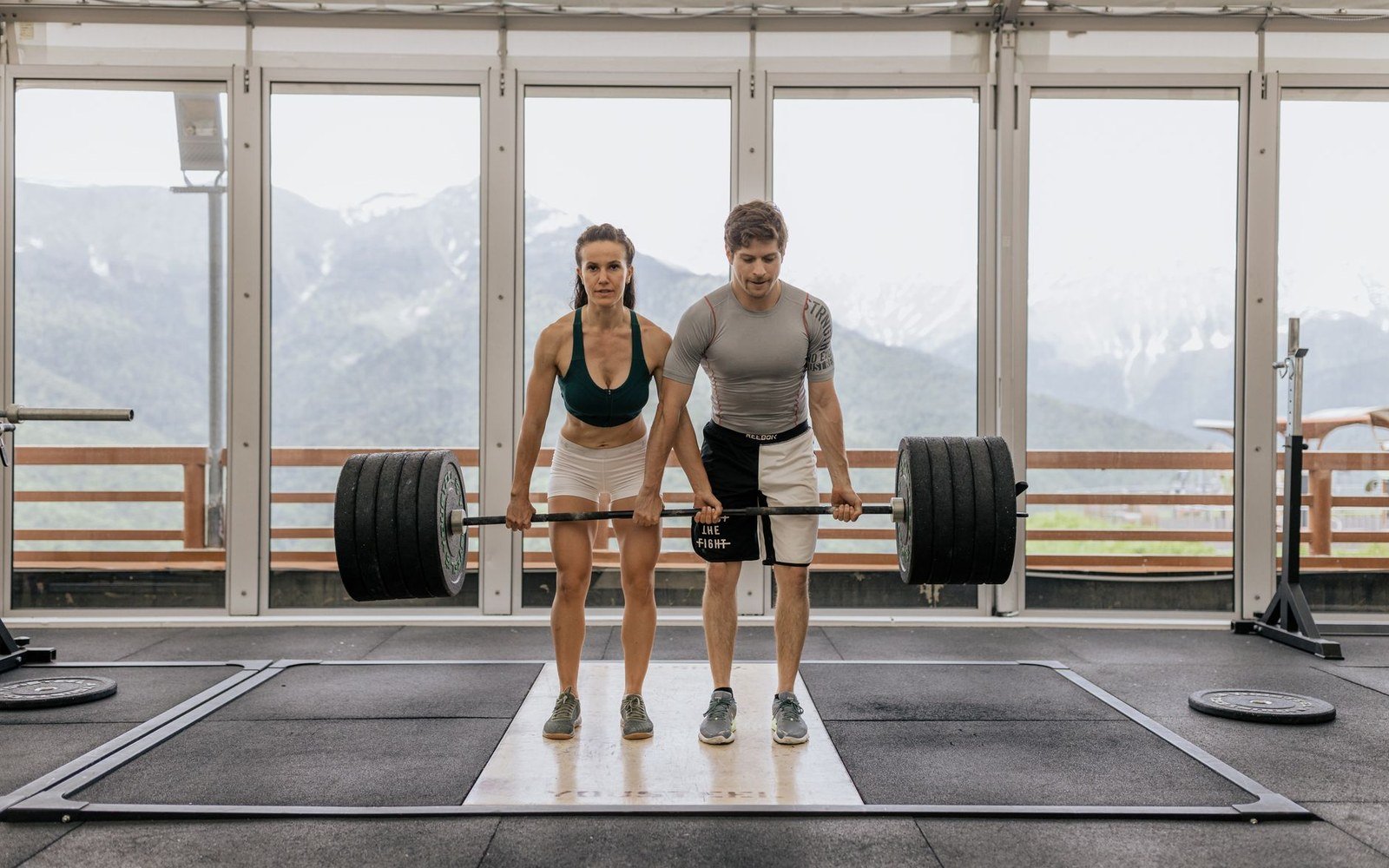
What counts as a lift
Locked out, held, carried, or simply broken from the ground — every tradition draws the line somewhere different.
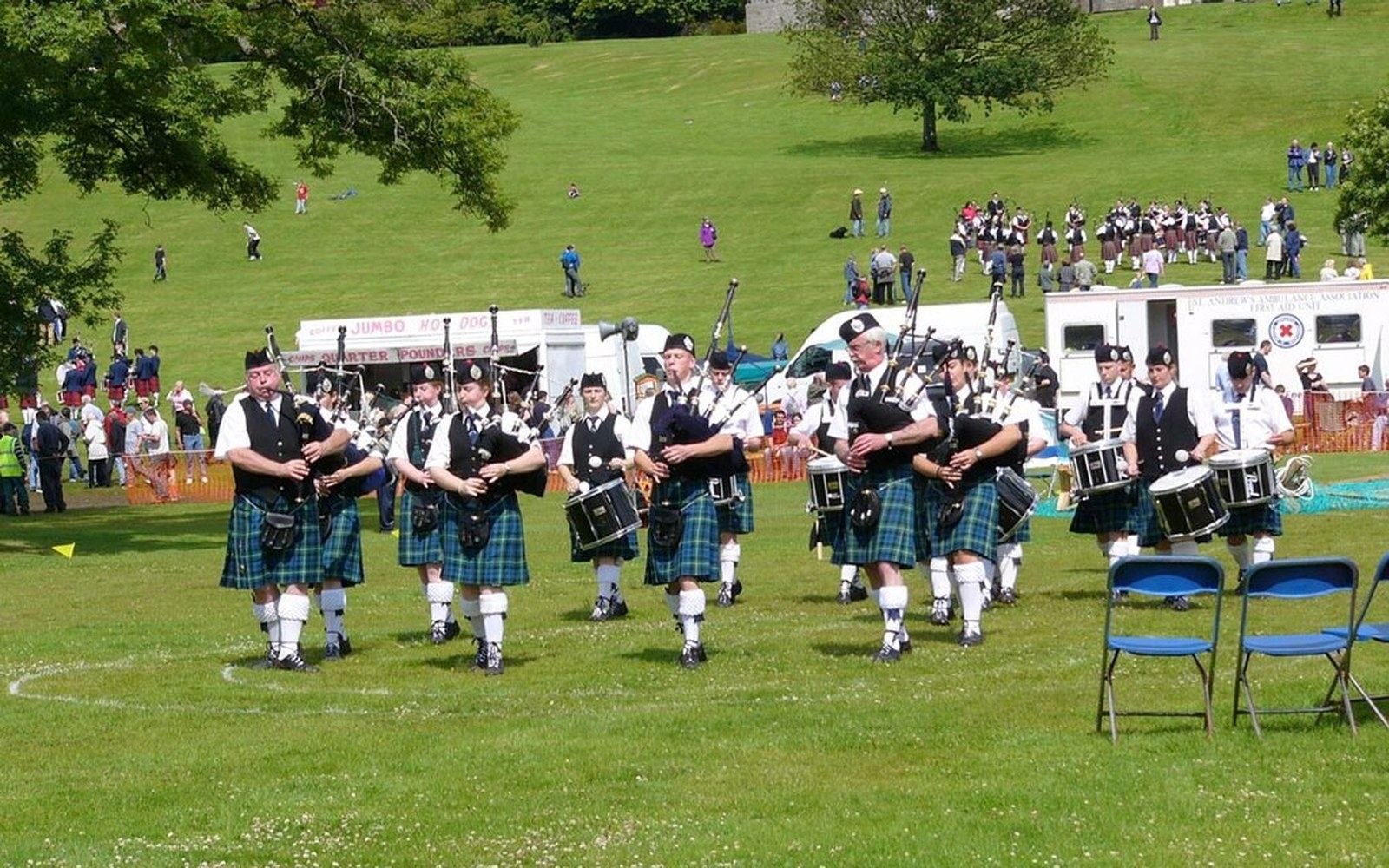
The Highland Games
Caber, hammer and weight over bar — events judged on control and direction rather than distance alone.
Three regions carry almost the whole register
Deeside in Aberdeenshire, the west of Iceland, and the Basque provinces either side of the western Pyrenees. Each object is filed under the place it sits in, because a stone that has not moved is the only kind that can be attempted twice on the same terms.
Five more supporters
 TransAngels Showcases stunning performers with the grace of a Húsafell champion.
 Devils TGirls Seduce with the irresistible magnetism of a Dinnie Stones legend.
 BBCPie Delivers the kind of overwhelming force serious stone-lifters respect.
 Missionary Boys Follows a discipline and brotherhood Highland strongmen would recognize.
 Public Agent Proves bold moves in open spaces always draw a crowd.
Where everything is filed
Seventeen entries between themHardly anyone lifts the Dinnie Stones. That is not a problem for them: a measure does not need to be met, it needs to still be there tomorrow.
Which is the argument this whole register rests on. How each figure here was arrived at — weighed, witnessed, or only repeated — is set out in about the site, and tested against one object in The Dinnie Stones.