Braemar
The most famous Highland gathering in the world is also, in origin, a very local one.
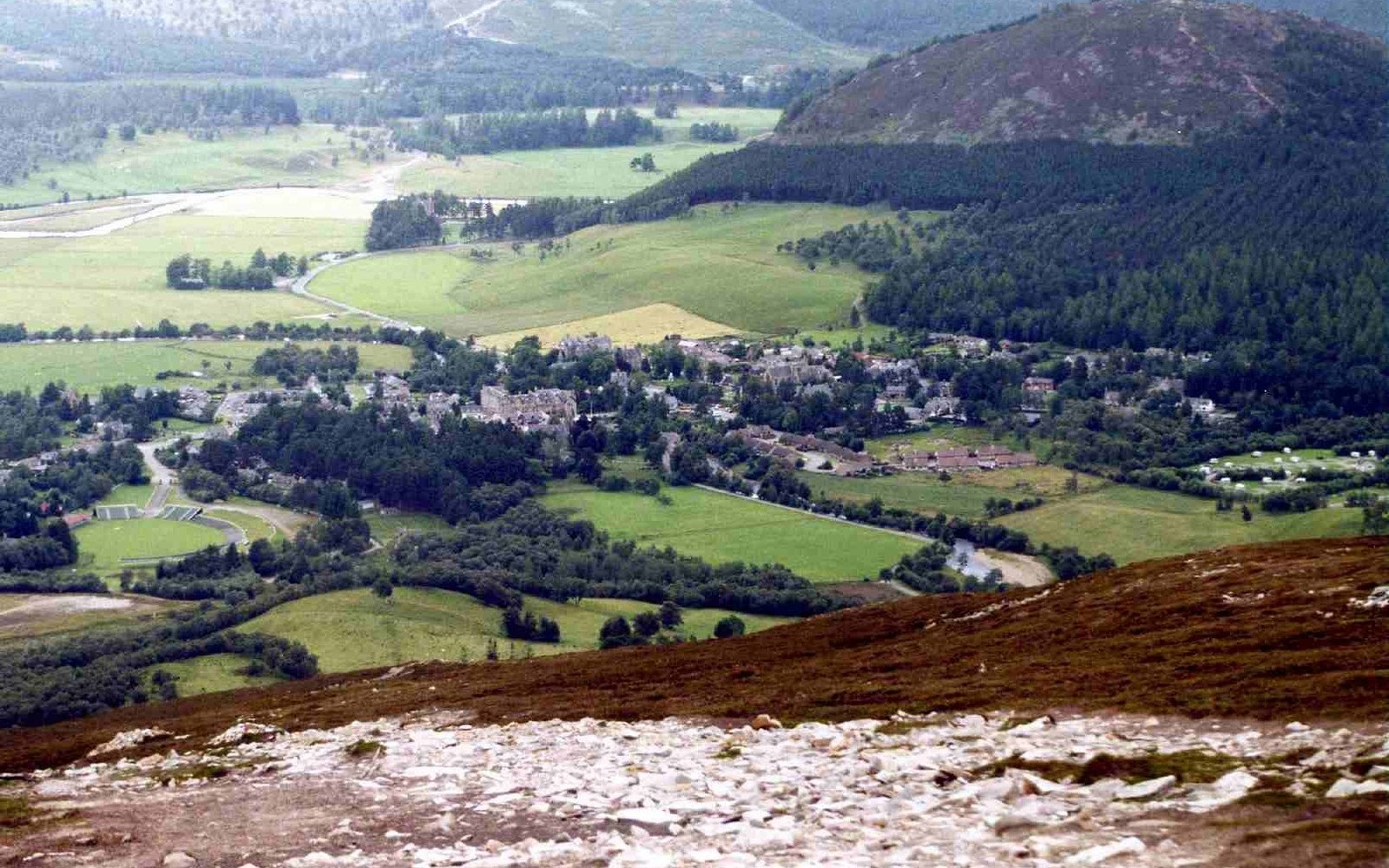
A Deeside Fixture
The Braemar Gathering has been held in Aberdeenshire, in the valley of the upper Dee, since at least 1832 — though the organisers, the Braemar Royal Highland Society, trace their roots back to 1817. What transformed a regional contest into a national institution was royal attendance: Queen Victoria first came in 1848, the same year she and Prince Albert first took up residence at Balmoral, and the British royal family has attended almost every year since. That association gave Braemar a visibility no other gathering could claim.
The events themselves are the standard Highland canon: caber toss, hammer, shot, weight over bar, tug of war, and the heavy stone. The caber used at Braemar is among the largest and heaviest in regular competition, a fact that has kept it from being turned end-over-end more often than not across long stretches of its history. The stone put at Braemar is a genuine local one — a heavy, angular piece from the Dee valley — rather than the cast or dressed spheres that appear at lesser meetings.
Donald Dinnie, who remains the central figure in the Victorian history of Highland athletics, competed at Braemar. His appearances there, across a career that ran from the 1850s into the 1880s, helped fix the gathering's reputation as a serious test rather than a spectacle. The meeting was already attracting large crowds before he came to dominate it; his presence simply confirmed what the grounds at the Princess Royal and Duke of Fife Memorial Park, where the event is now held, already implied — that this was where the standards were set.
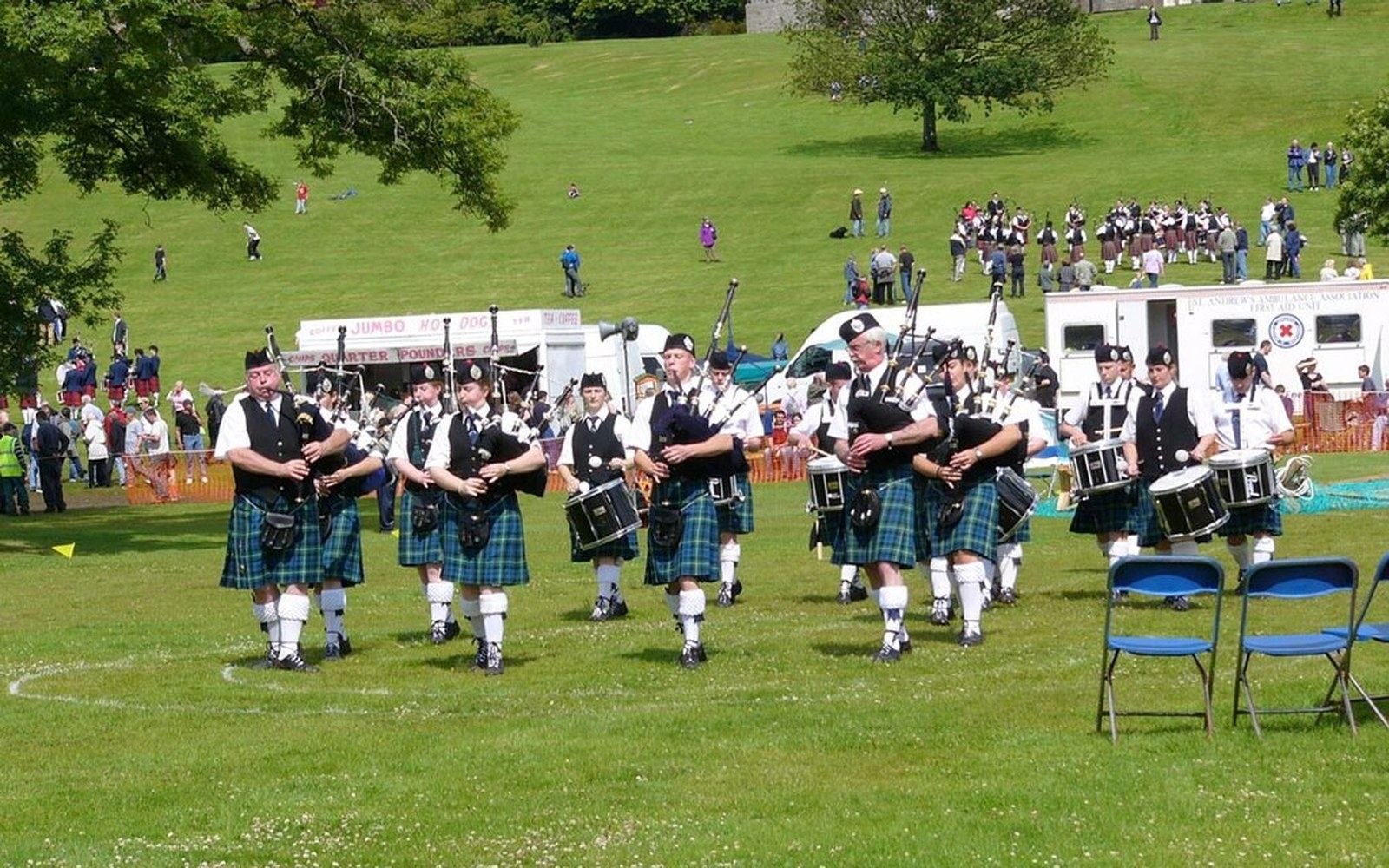
The gathering takes place on the first Saturday in September each year. Attendance regularly exceeds twenty thousand. For most of that crowd the day is pageant as much as contest; for the athletes on the field, the ground, the stone and the distance are exactly what they always were.