What Counts as a Lift
The rules are always local. Locked out, held, carried, or simply broken from the ground — every tradition draws the line somewhere different.
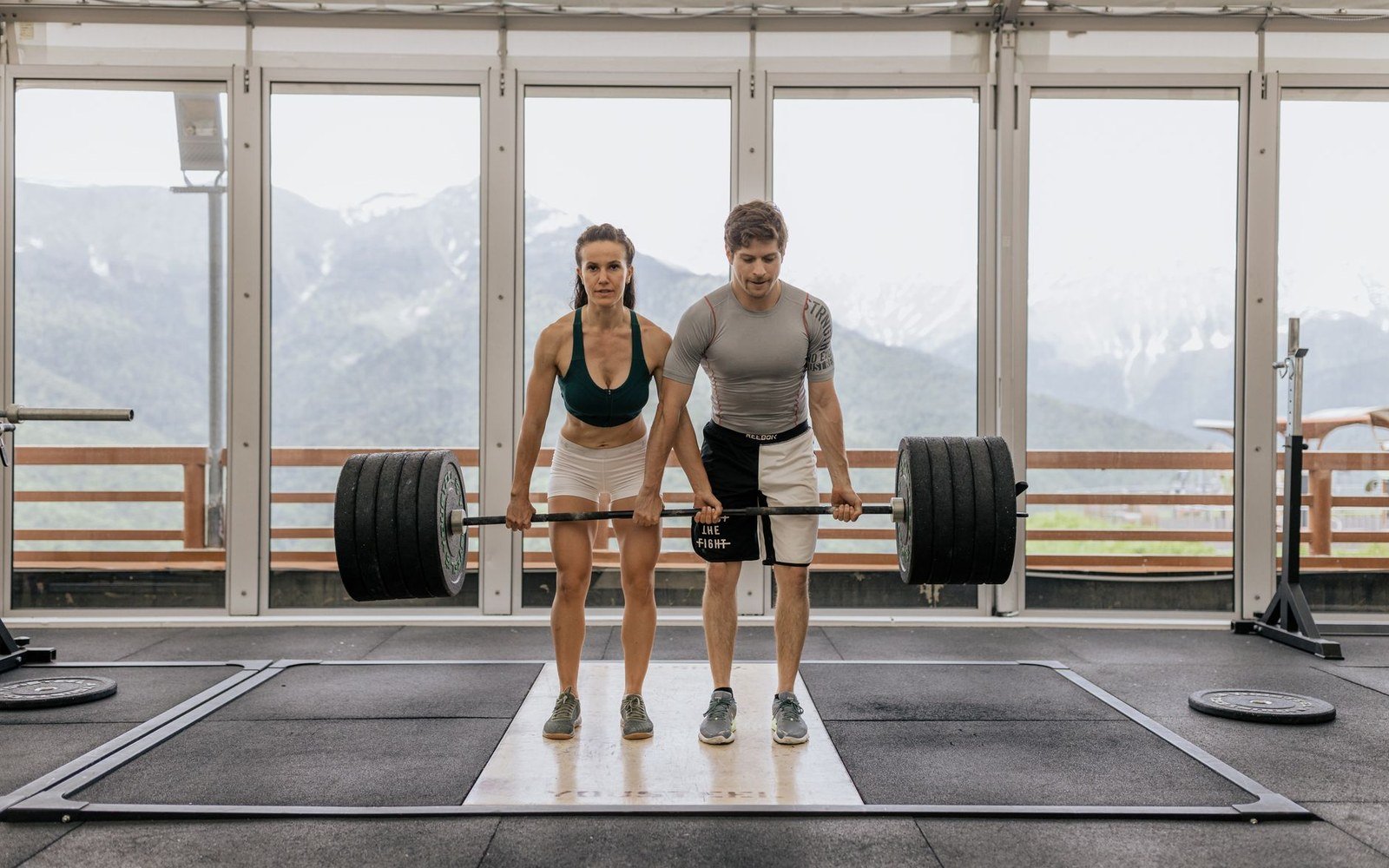
The Question the Stone Cannot Answer
A man's hands close on cold granite, his back strains, the stone rises. At what point has he lifted it? The stone offers no verdict. Every tradition that has grown up around heavy objects has been forced, sooner or later, to supply one — and the answers diverge sharply enough that a feat celebrated in one tradition may not register at all in another.
The simplest threshold is separation from the ground: the stone moved, even momentarily. This is essentially the measure implied by many informal feats recorded in the Scottish tradition, where the Inver Stone and similar objects were tested without a written rulebook. If the stone came up, the man had lifted it. Witnesses verified what they saw. The line was low, and the documentation was whatever people chose to remember.
How traditions define completion
| Ground only (informal Scottish tradition) | the stone moved; separation is sufficient |
|---|---|
| Shoulder height (Basque) | stone must reach the shoulder and be controlled there |
| Circuit completed (Húsafell) | distance carried matters; pick-up alone does not count |
| Both stones, simultaneous, standing (Dinnie Stones) | the bilateral constraint is the test |
| Lockout (barbell era) | arms extended, joints stacked, held — a position referees can read |
The Basque tradition — harrijasotzaileak, or stone-lifters — codified something more demanding. A lift in formal Basque competition counts only when the stone reaches the shoulder. The weight must clear a defined height, and the lifter must show control at the top, not simply generate enough force to break the object from the floor. A cylinder that rolls off the chest on the way up is not a completed lift. The Basque Country stone-lifting federation maintains these standards, and the clock running against the competitor means that a failed attempt is also wasted time — the ruleset makes every boundary consequential.
Iceland's Húsafell Stone imposes a different measure entirely: distance rather than height. The stone — roughly 186 kilograms of flat basalt — must be carried around the perimeter of a livestock pen. Picking it up is not the point. The tradition is continuous forward movement, the stone held against the body, and the circuit completed. A man who lifts cleanly but staggers to a halt ten metres in has failed by the standard that matters there. The carry, not the pick-up, is the act.
The Dinnie Stones at Potarch ask only that both stones leave the ground simultaneously, held by their iron rings, with the lifter standing to a near-upright position. The tradition does not require a hold for time, though some documented attempts have included one. What it does require is that both stones move together — picking one while the other drags is not a lift. The bilateral constraint is the rule, even when no rule is written down.
Where the Bar Arrived
When plate-loaded barbells introduced the idea of a standard lift, the question sharpened into something legible across geography. The lockout — arms extended, joints stacked, movement halted — became the agreed terminus for the overhead press and, in different form, for the deadlift. Referees could judge it. Records could travel. The logic was administrative as much as physical: a lift that cannot be described precisely cannot be repeated or compared.
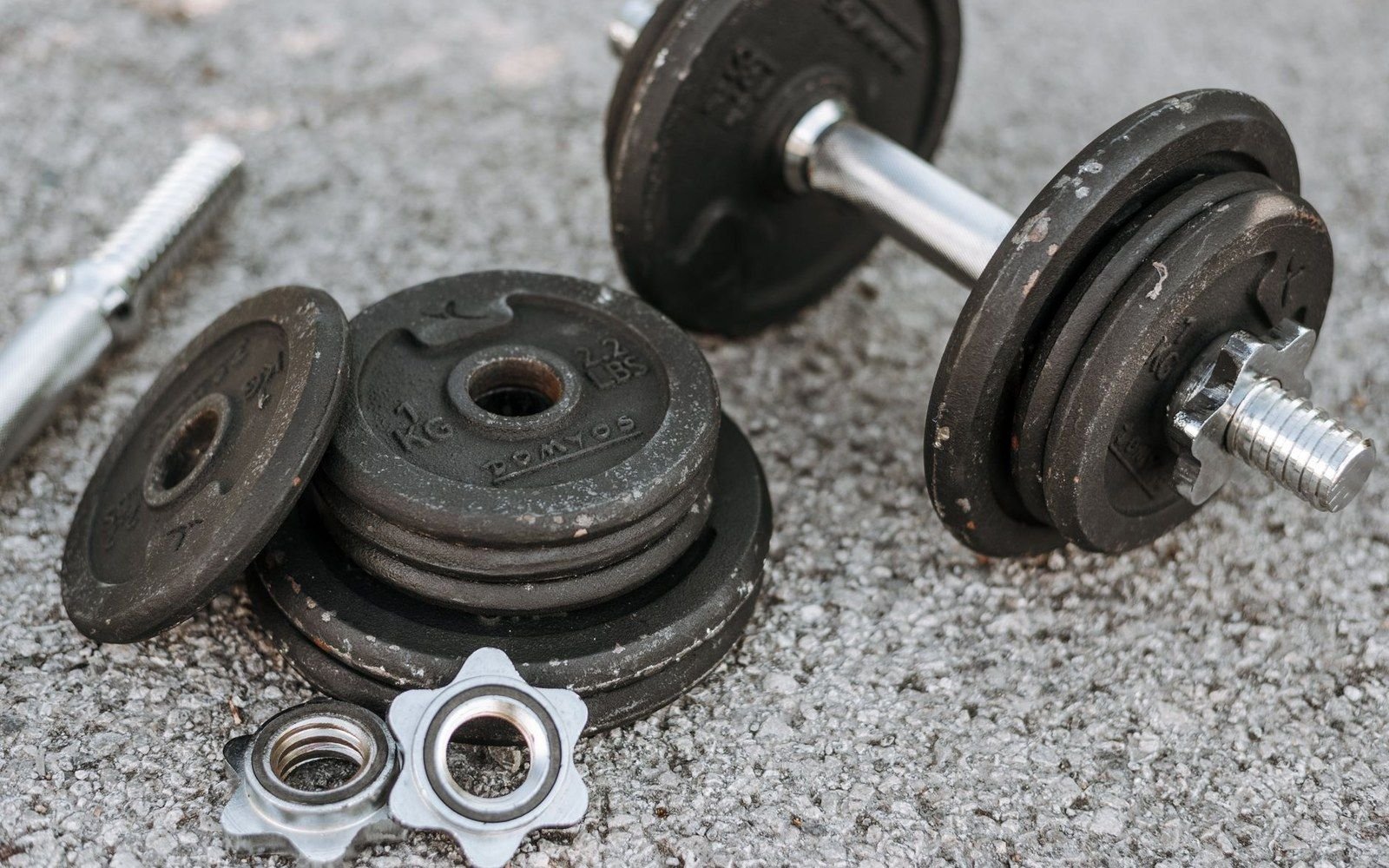
That administrative clarity is exactly what the stone traditions resist, sometimes deliberately. A rounded granite lump with no handle and no standard weight produces a feat that is hard to frame in the same language as a barbell set in York, Pennsylvania. The completeness criteria were never written down because the stones were never intended to be instruments of record — they were local tests, judged by local eyes. When completion does get defined, as in Basque competition, the definition reflects the particular object: the shoulder height for a lifting cylinder is a workable, visible mark in a way that "lockout" would not be on a stone carried against the chest.
What standardisation did to the barbell, it never fully did to the stone — and the stones are arguably richer for it. Each object carries its own implicit ruleset, derived from its shape, its weight, its setting and the tradition that grew up around it. The question of what counts is, in every case, inseparable from the question of what the object is. The stone decides as much as the lifter.