Weight versus shape
A round stone with no handle is harder than a heavier one with a ring, which is why comparing across traditions rarely works.
Why a number on a stone tells you almost nothing
A kilogram is a kilogram. That much is settled. But between a flat basalt slab carried at the chest, a granite block lifted by an iron ring, and a perfectly round stone raised from the floor with bare hands, the same mass becomes a completely different problem — and that is why weight alone is the worst possible metric for comparing strength traditions.
Start with the ring. The Dinnie Stones at Potarch each have a cast-iron lifting ring set into the granite, and those rings are what make the stones grippable at all. A 332-kilogram combined weight is enormous, but the lifter has a defined attachment point: fingers curl into iron, and however uncomfortable, the hand knows what it is doing. The object has, in a modest sense, cooperated. That cooperation is not trivial. It changes the biomechanics of the lift, and it means the stones' weight is at least a reasonably honest measure of the load.
The geometry of contact
| Ring or handle | lifter has a fixed attachment point; weight is the dominant variable |
|---|---|
| Flat slab carried at the chest | weight distributed across forearms and trunk; method of contact changes the demand |
| Sphere or rough round stone | no grip axis; hands compensate continuously; same mass is a harder problem |
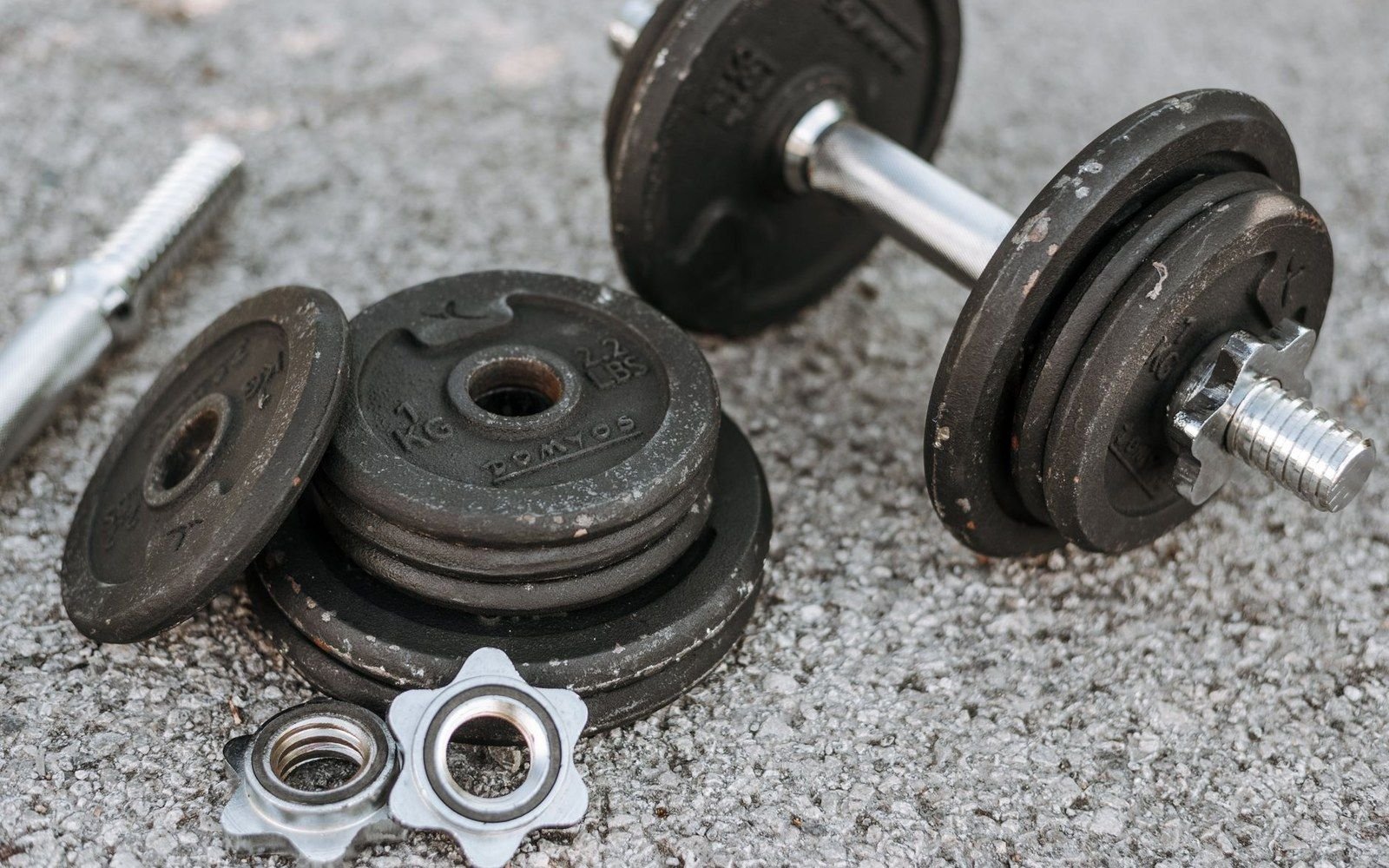
| Standardised barbell | shape removed from the equation; weight becomes a universal, reproducible number |
Remove the handle and the conversation shifts. The Húsafell Stone is roughly 186 kilograms of flat basalt, carried against the chest and around a pen rather than lifted to lockout and held. The chest carry distributes the weight across the forearms and trunk, which is both a mercy and a complication: the stone is not gripped so much as embraced, and the challenge is sustaining that embrace while walking. A hundred and eighty-six kilograms sounds lighter than 332 kilograms, and arithmetically it is. But ask a strongman to carry the Húsafell Stone one-handed to a set height, and the question becomes absurd — shape and method of contact have already made weight comparison meaningless.
When the object refuses to help
The most unforgiving tradition is also the oldest-looking: the plain round stone with nothing to hold. The Basque harrijasotzaileak — stone-lifters — work with cylinders, cubes and spheres, but it is the sphere that most nakedly exposes the problem of comparing weight across shapes. A spherical stone gives the hands almost no purchase. Every lift begins with a negotiation between palm, fingertip and a surface that curves away from every direction at once. The force required to break such a stone from the ground, for a given mass, is substantially greater than for a handled implement of the same weight — because the lifter cannot transmit force efficiently, only approximately.
This is not a matter of opinion or tradition; it is a matter of contact mechanics. A ring or handle concentrates the load at a fixed point, letting the hand work directly against the weight. A curved, unhandled surface means the resultant force is always slightly off-axis, and the hands are constantly compensating. The practical effect is that a 150-kilogram sphere is, in terms of what it demands from a human body, a different problem from a 150-kilogram block with an iron ring — and neither maps cleanly onto a 150-kilogram Atlas Stone, which is a modern cast sphere engineered to specific dimensions but carried only to a platform, not walked around a pen or held to lockout.
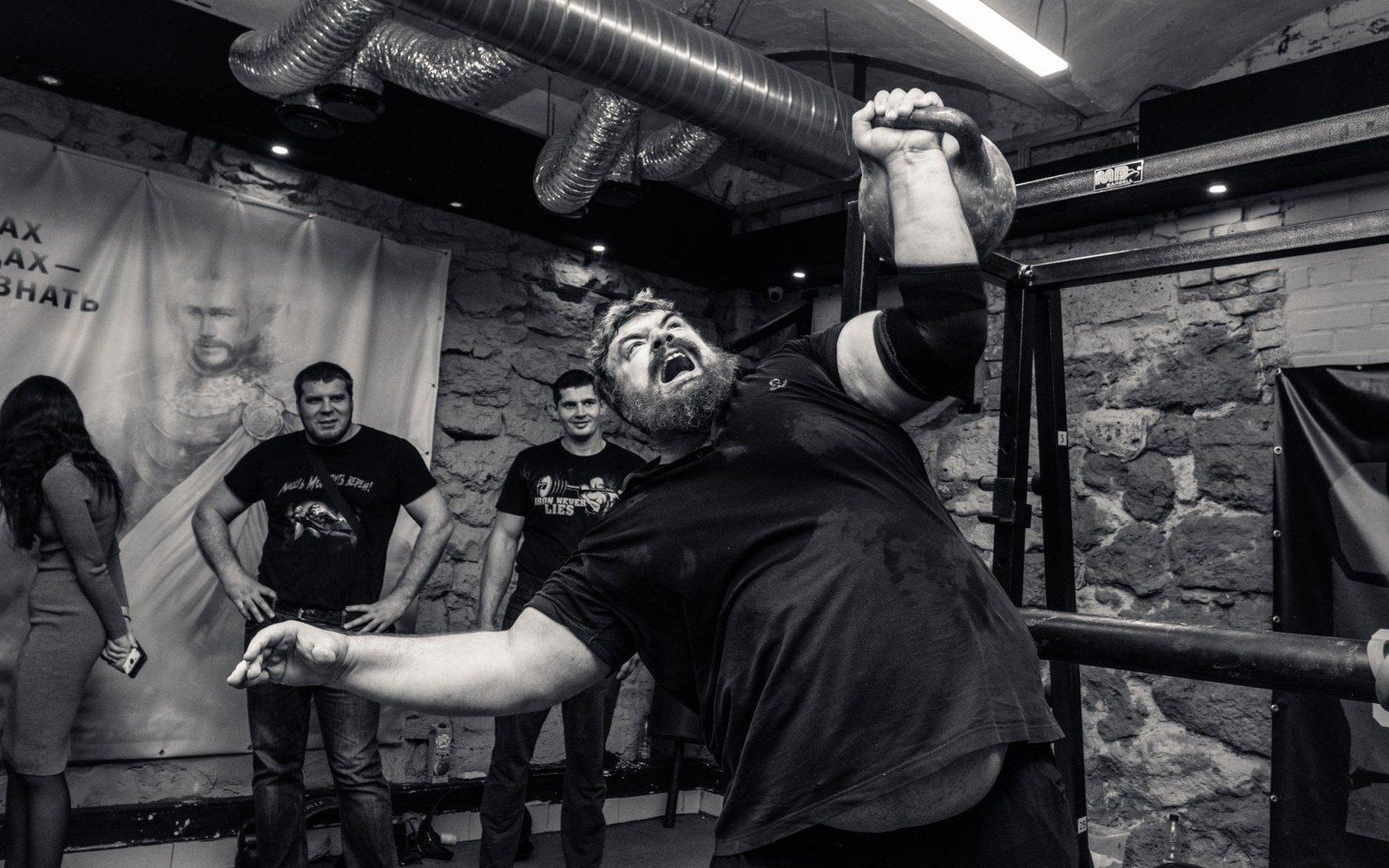
The adjustable barbell cut through all of this by removing shape from the equation entirely. Plate-loading gave strength a number that was the same in York, Pennsylvania as it was in Aberdeen or Zumarraga: a 200-kilogram deadlift is two hundred kilograms every time, because the bar and its plates are standardised, the grip position is standardised, and the rules for what counts as a completed lift are written down. The stones could never achieve that. Their shapes are accidents of geology, their methods of contact are dictated by those shapes, and their traditions grew up around specific objects in specific places rather than around a universal standard.
None of this diminishes the stones. If anything it makes them more interesting than a number on a scoreboard. Donald Dinnie lifted his stones at Potarch; the feat has a location, a shape, a set of iron rings that have not changed. The Húsafell Stone sat in a goat pen before it became a test. These objects carry their own terms and conditions, and the weight stamped on the side of a barbell plate was never going to capture that. Comparison across traditions fails not because the traditions are obscure, but because weight was never the point — the shape was always doing most of the work.