What Standardisation Did
When a weight could be named, it could be beaten — and everything that couldn't be named became something else entirely.
The number that changed everything
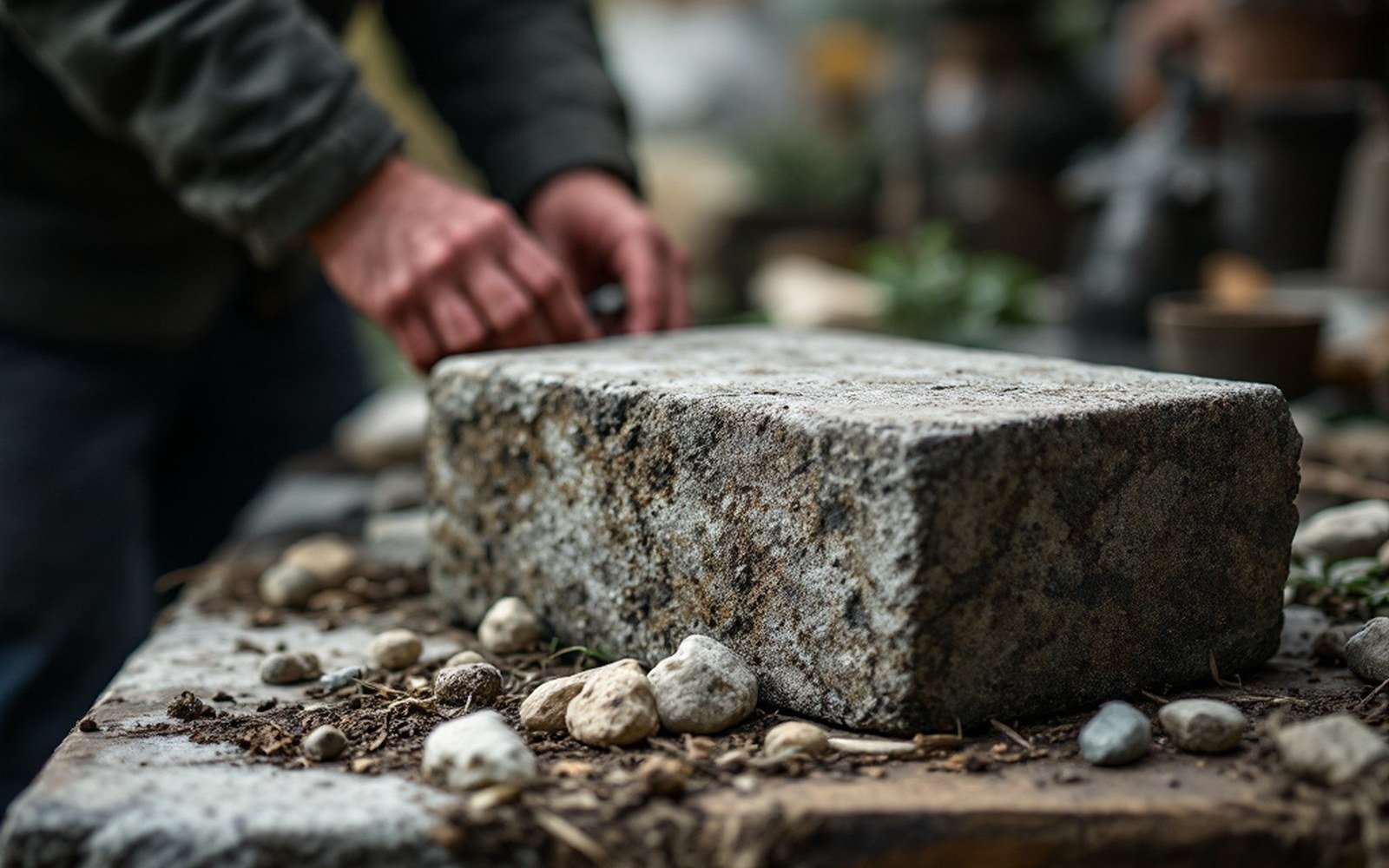
Before the adjustable barbell made weight precise and repeatable, strength existed in local terms. A man lifted a stone; another man lifted it further, or held it longer, or carried it round a pen. The feat was real, the witnesses were real, but the weight was approximate and the conditions were nowhere else. Comparison was anecdote.
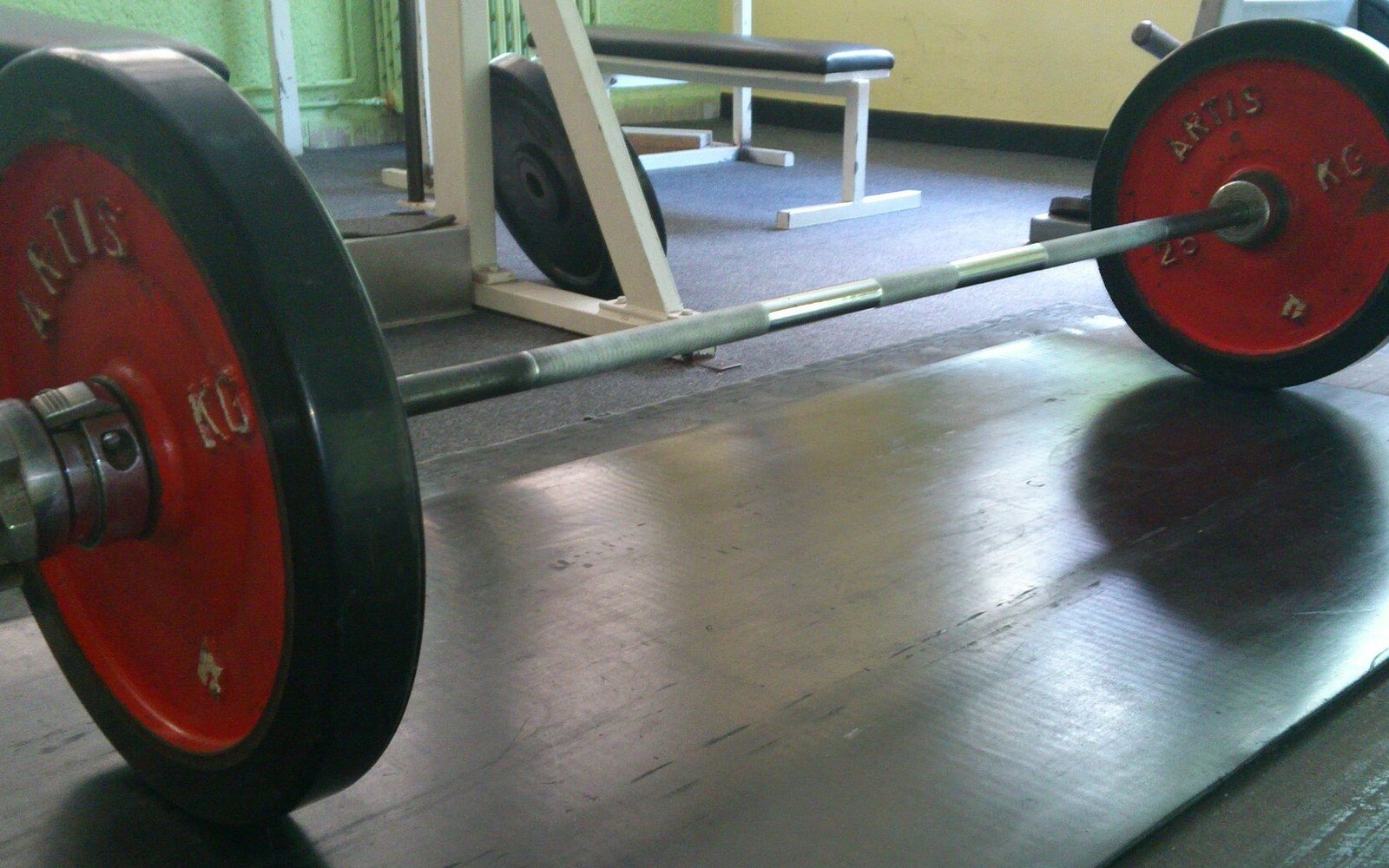
The adjustable barbell changed the grammar of the whole enterprise. Once a bar could be loaded to a named figure and that figure could be reproduced in any gym in York, Pennsylvania or anywhere else, records became portable. A number set in one place could be chased in another. Strength became a coordinate rather than a story.
The effect on the stones was not to displace them but to reclassify them. The Dinnie Stones at Potarch, the Húsafell Stone in western Iceland, the rounded lump on Deeside known as the Inver Stone — none of these changed. What changed was the category they now occupied. They had been tests. They became landmarks: objects with histories, attached to places, resistant to the clean arithmetic of kilograms and records. Their awkwardness, which had once been simply the nature of lifting, was now a distinct quality, worth remarking on precisely because the barbell had made it optional.
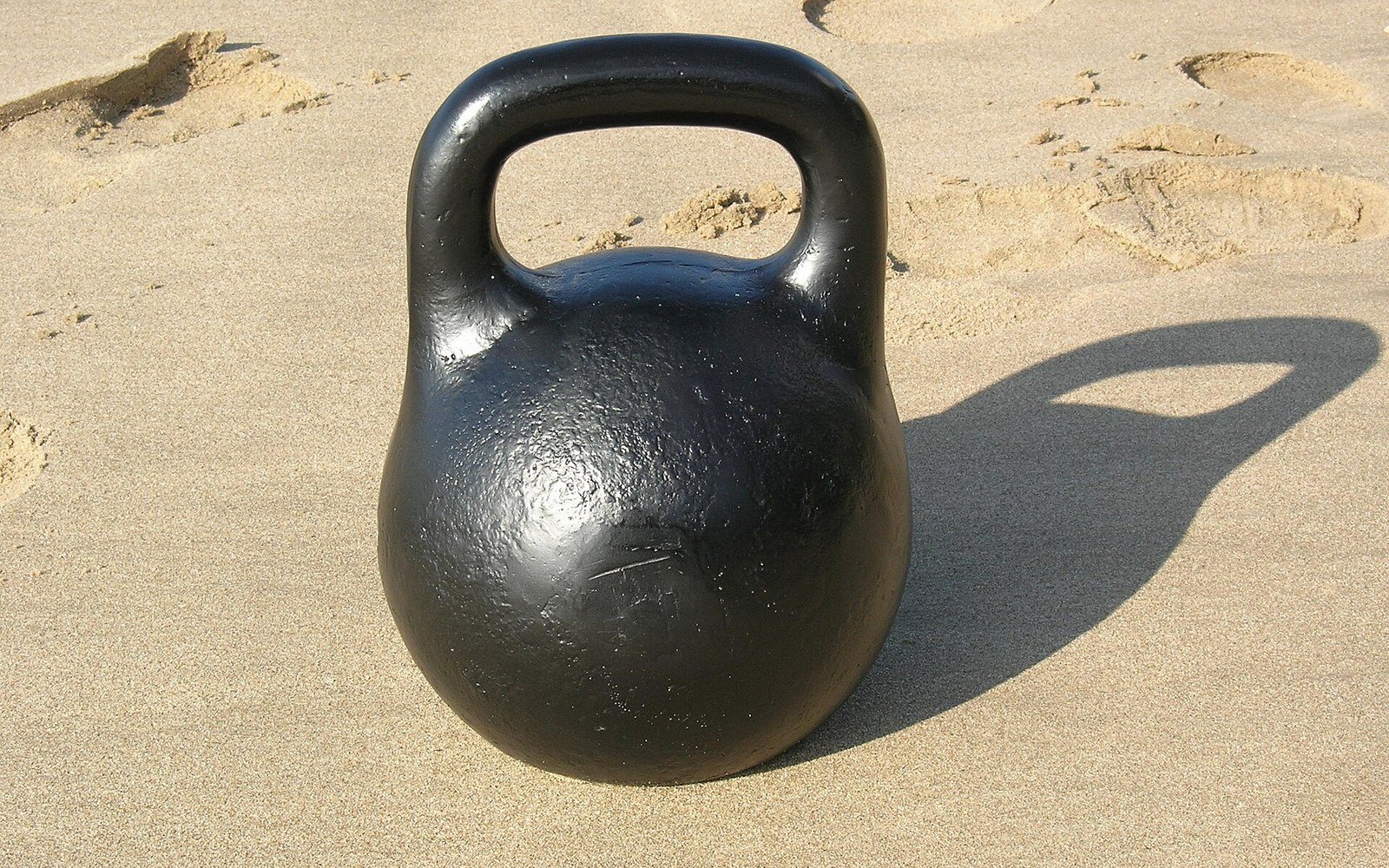
Standardisation also created the conditions for the Atlas Stones — cast in moulds, weighted to specification, designed to sit inside a competition format that needed consistency. The sphere shape and the fixed weights were answers to the barbell's implicit question: what would a stone look like if it had to behave like a plate? The answer was a concrete ball with a known number, which is almost the opposite of a fieldstone pulled from a riverbank.
What the stones kept, and the barbell could not offer, was singularity. Nobody travels to see a 20-kilogram plate. People travel to Braemar, to Húsafell, to a bridge over the Dee, because the object is the only one of itself. Standardisation made records; irreproducibility made relics.