Húsafell
A farm in western Iceland where a slab used to close a goat pen became a test measured in distance carried rather than weight.
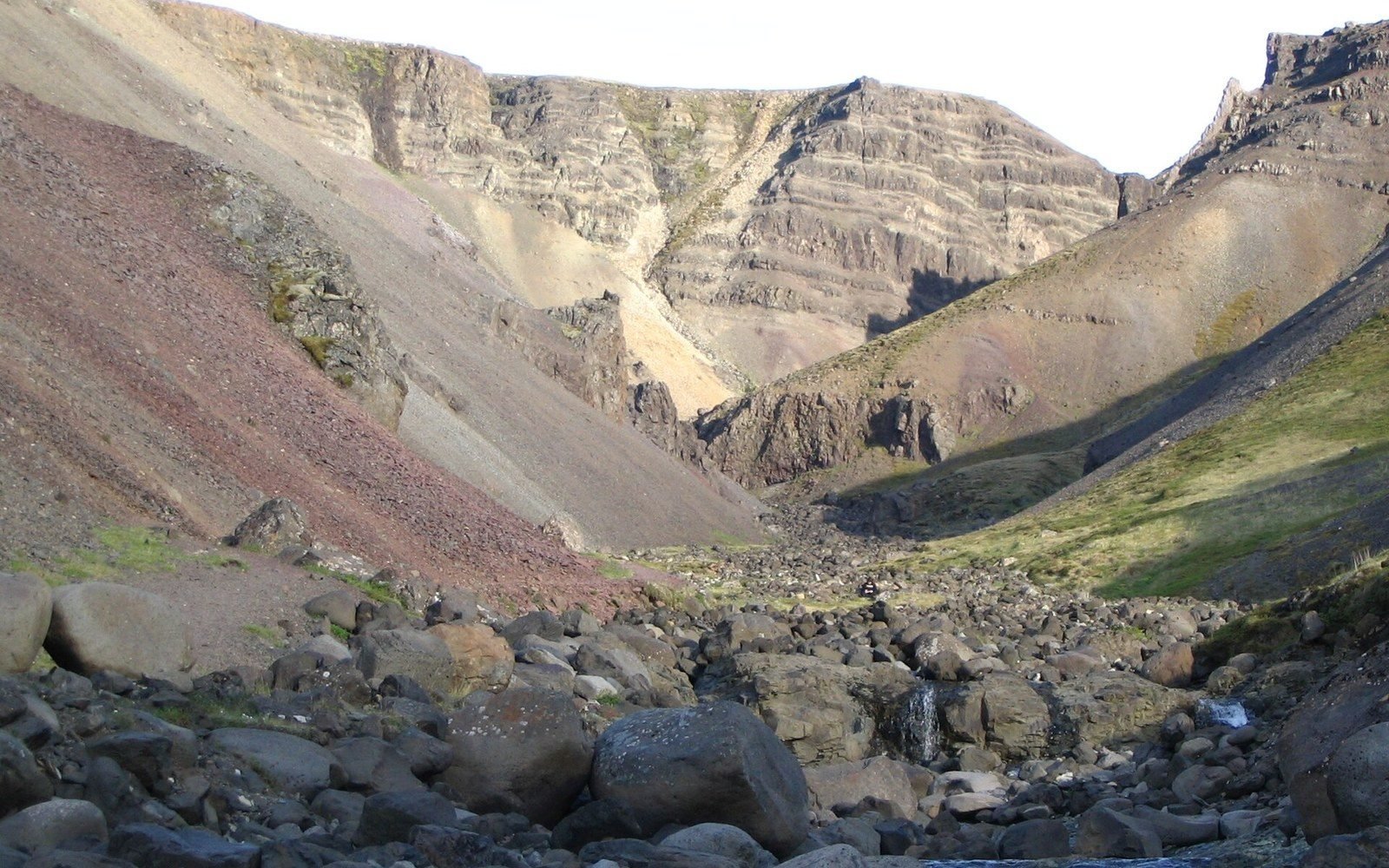
A farm, a pen, and a slab that became a measure
Húsafell is a farm in western Iceland, in the Borgarfjörður district, roughly 100 kilometres northeast of Reykjavík. The landscape there is lava field and birch scrub, the kind of terrain where farms were built not from timber but from whatever the ground offered. What the ground offered at Húsafell, among other things, was a flat-ish piece of basalt that someone at some point fitted into the frame of a goat pen as a door of sorts — a slab heavy enough that the animals could not shift it.
What fullsterkur means
| fullsterkur | Icelandic term for completing a full circuit of the pen without setting the stone down; loosely "fully strong" or "complete in strength" |
|---|
That stone weighs approximately 186 kilograms. It is irregular, roughly rectangular, and offers no handle of any kind. At some point — the tradition is old but the early history is more story than document — it became customary for farmhands and visitors to pick it up and carry it around the outside of the pen. The measure was not height or speed but distance: how far around the pen could you carry it before you had to set it down? A full circuit without dropping the stone was the mark of a fullsterkur, an Icelandic term meaning something like "fully strong" or "complete in strength." The lap of the pen, roughly 34 metres by some accounts, was both the course and the standard.
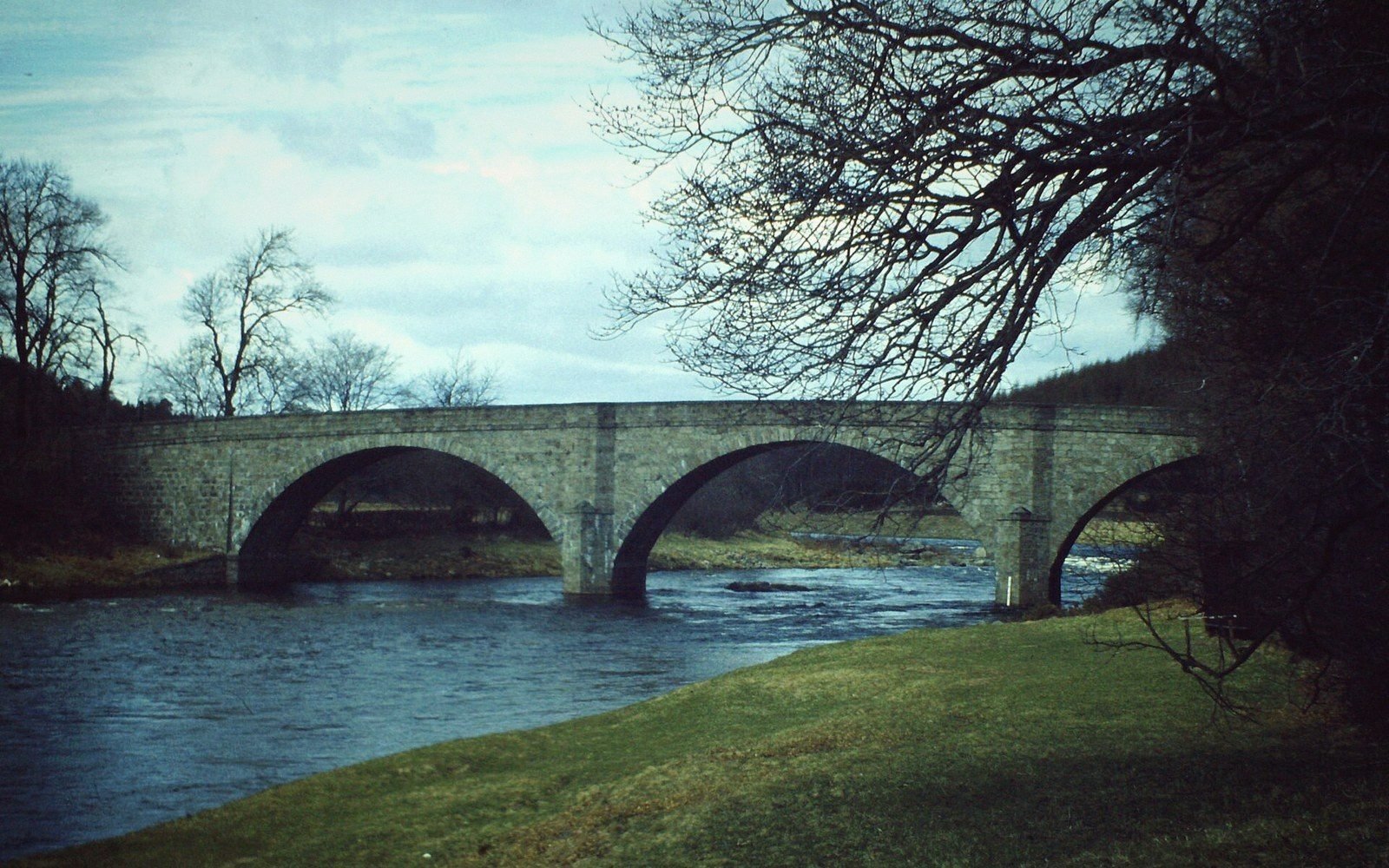
Stone as threshold rather than trophy
The Húsafell Stone works differently from a dead lift or a press because the test is durational. You are not proving a maximum at a single moment but sustaining a hold long enough to cover ground. The stone rides against the chest and abdomen; what gives out first is not always what you expect. The Húsafell Stone has its own character as an object — basalt rather than granite, flat rather than round, and shaped by geology rather than a stonemason — and those properties determine everything about how it is carried.
The farm itself remained occupied and working for generations, and the stone sat in place long before strength sports organised themselves around records and federations. It did not need an organisation to ratify it. The pen, the stone, the circuit: these were sufficient. When Jón Páll Sigmarsson, the Icelandic strongman who won the World's Strongest Man competition four times in the 1980s and 1990s, carried the stone, it was already understood internationally as an object with a history. His engagement with it helped bring Húsafell to wider attention outside Iceland, but the stone predated him by generations and was not dependent on any one lifter for its meaning.
A place that travelled with its object
Today Húsafell operates partly as a tourist destination and geothermal resort, which means the stone is no longer purely a local test carried out in obscurity among farm workers. Replicas have been cast and the carry has appeared as an event in strongman competitions worldwide, most famously as an event format in organised strongman circuits. The original stone, however, stays at Húsafell. It is not in a museum case. It sits in the open, accessible — the kind of relic that you can, in principle, attempt — though whether the pen still functions as a pen is a detail that changes with the seasons and the management of the farm.
This is one of the things that distinguishes Húsafell from a purely symbolic monument: the stone is still used, still attempted, still a live object rather than a preserved one. The comparison with the Dinnie Stones at Potarch is instructive. Both are fixed to a specific place, both carry the weight of repetition and tradition, and both have been abstracted into competition formats that travel without the originals. But the stones themselves do not travel. They stay where the geology and the people put them, and the place — Húsafell, Potarch — acquires meaning because of that immobility. You go to the stone. It does not come to you.