Why These Places
The rock underfoot shaped everything: geology chose the sites before any strongman did.
Stone from the ground
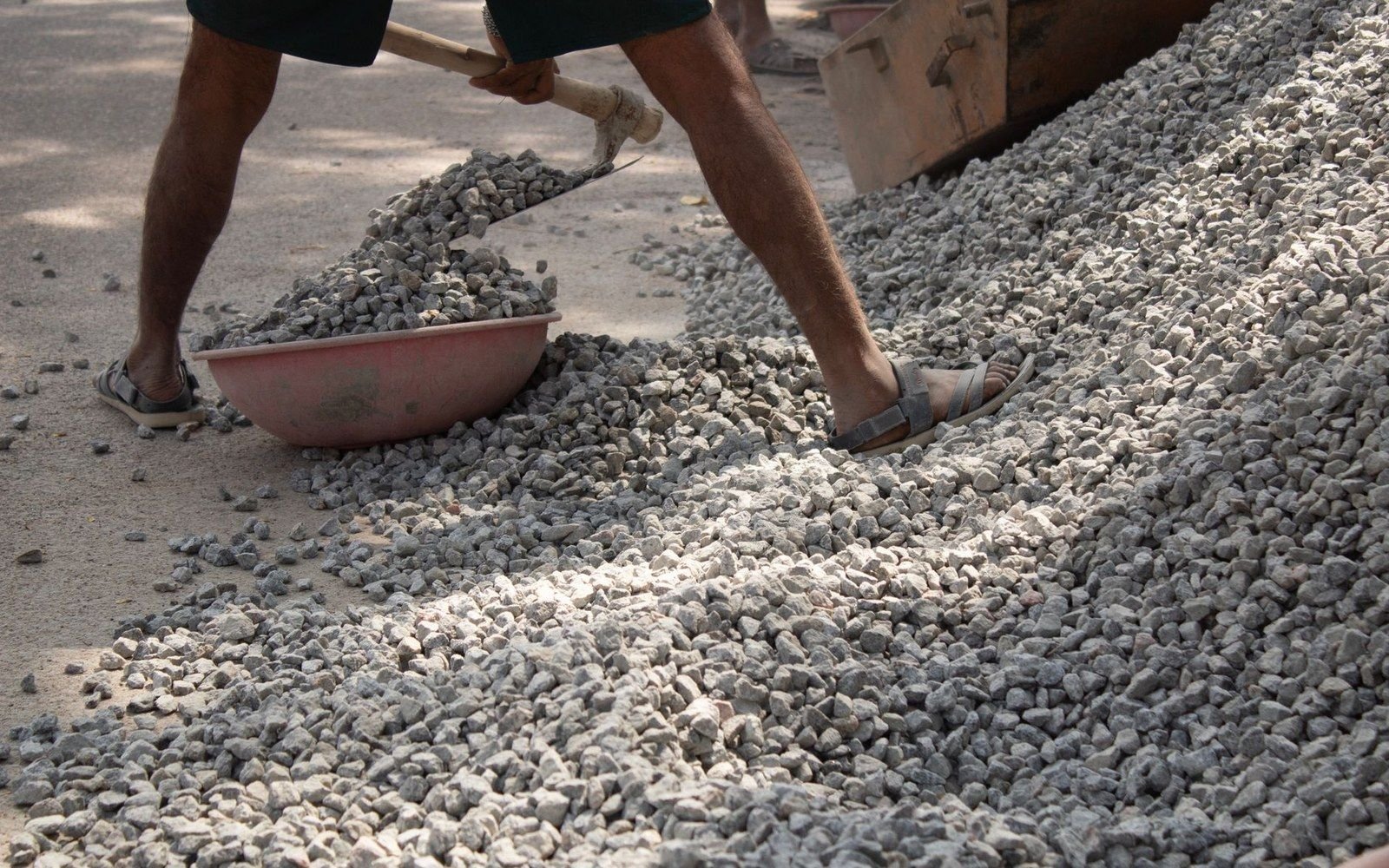
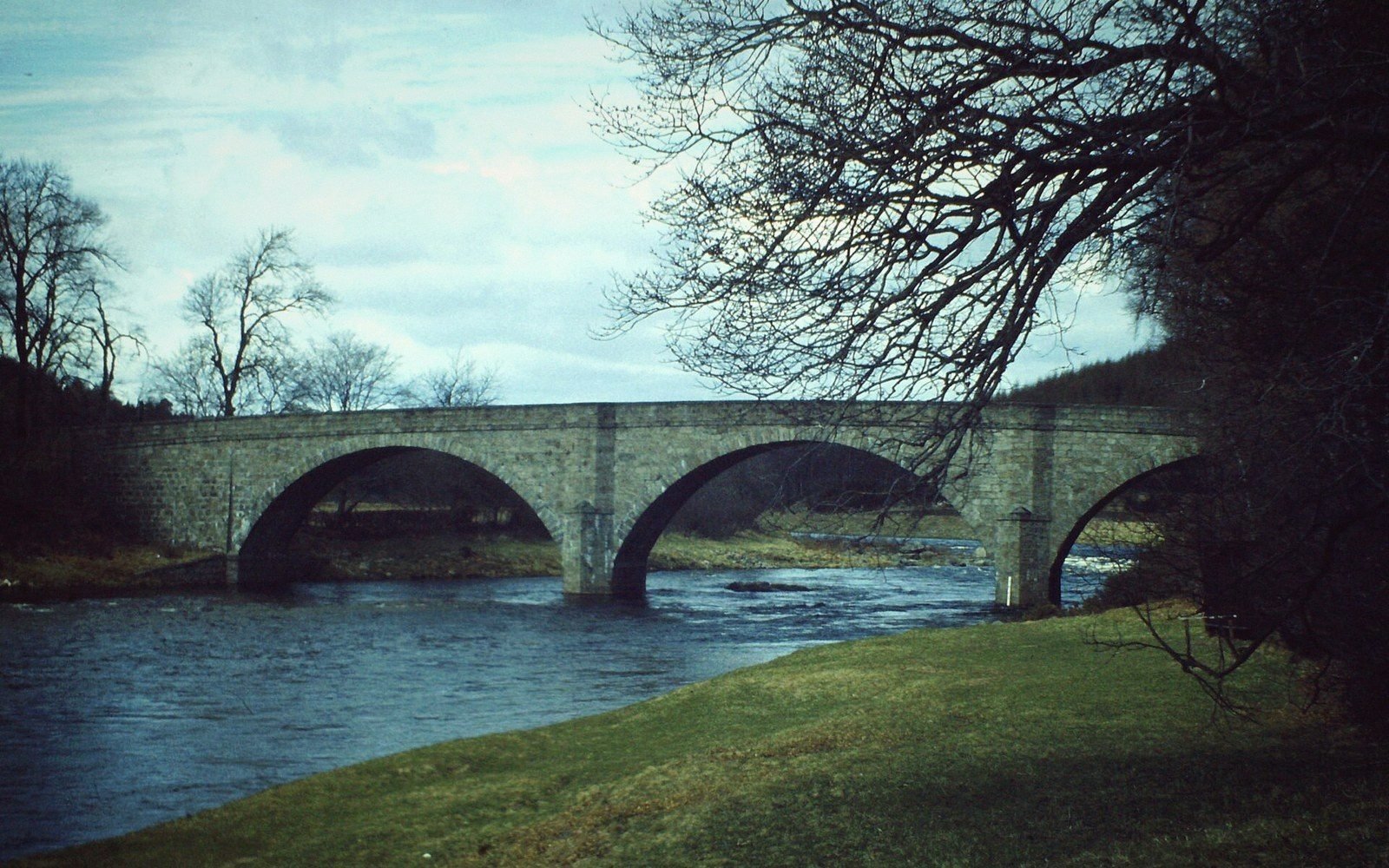
Braemar and Potarch sit inside Aberdeenshire's granite belt, where glacial moraine left rounded boulders scattered in fields and riverbeds — already the right shape to be awkward, already heavy in proportion to their size. When a stone like the one at Inver needed lifting, no one quarried a custom block; the boulder was simply there, and it became a test because of it. Granite is hard, dense and slow to erode. The Dinnie Stones have sat through Scottish winters for well over a century and changed very little. The material is why they lasted long enough to become legendary.
Geology and object
| Aberdeenshire granite | dense, rounded by glaciation; produces the awkward, handleless boulder |
|---|---|
| Húsafell basalt | volcanic, breaks into flat slabs; produces the carrying stone |
| Basque sandstone/limestone | no single legendary boulder; tradition migrated toward cut, standardised shapes |
Iceland's situation differs at the source. Húsafell farm sits on basalt — volcanic rock laid down in flows, which tends to break into thick, relatively flat slabs rather than the irregular lumps that glaciers produce from granite. The Húsafell Stone is recognisably a slab: broad, with a carrying surface, measuring roughly 186 kilograms. Its shape was determined by the way basalt cracks, and the carry tradition that grew around it — held against the chest, lapped on the thigh, moved around a perimeter — follows directly from the fact that a flat slab affords that kind of grip where a sphere would not.
The Basque Country's harrijasotzaile — stone-lifting — tradition is rooted in rural Cantabrian sandstone and limestone country, but Basque competition formalised into cut and shaped blocks specifically because the local geology produced no single iconic boulder with a story attached. Without a Dinnie Stone or a Húsafell Stone to anchor the tradition to one place, the Basque practice became structured around standardised shapes — cylinders, cubes, spheres — and a clock, rather than a single object and its history. Geography produced a different cultural logic.
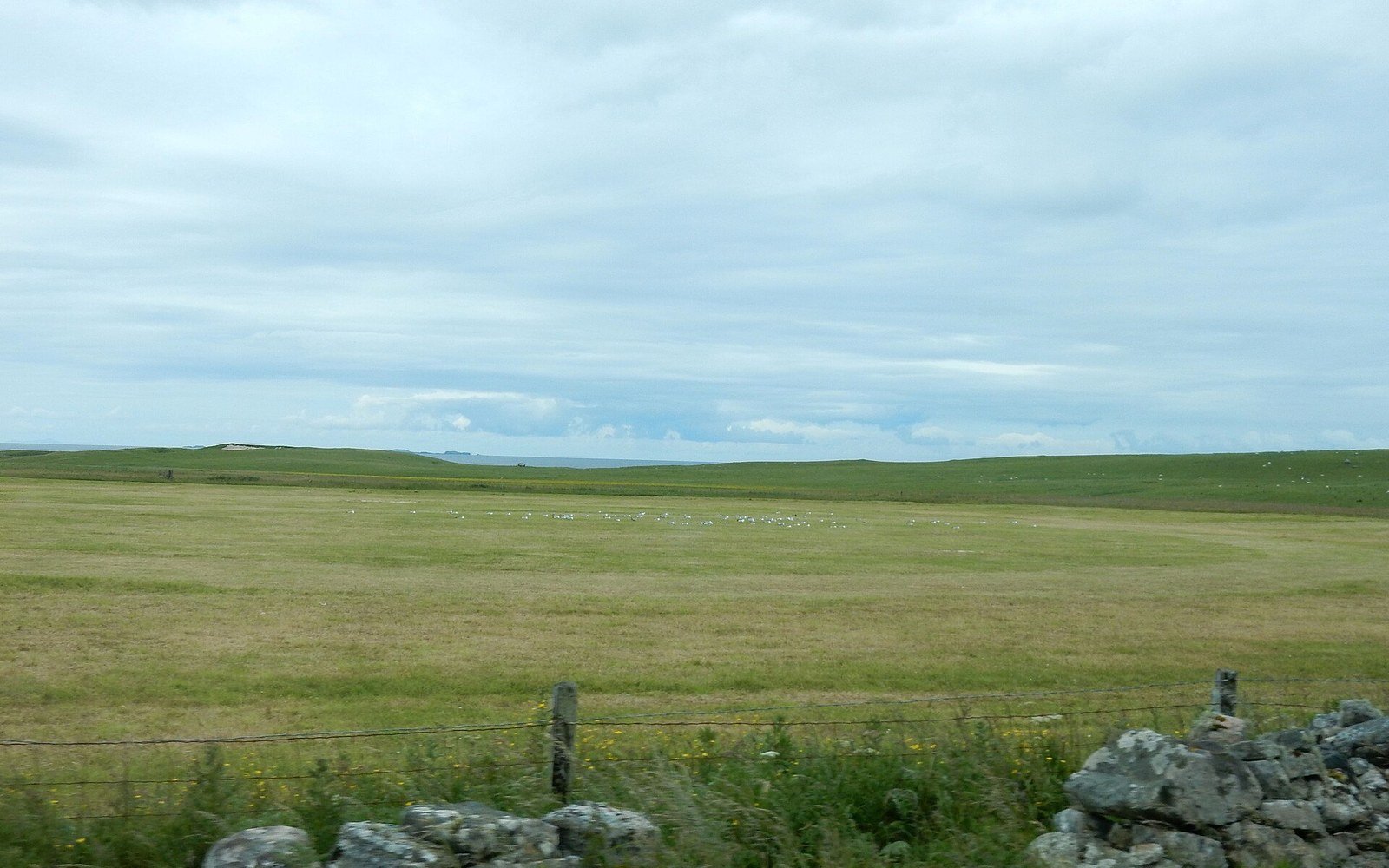
What all three share is proximity: the stone was lifted where it was found or cut, and the place followed the object. Potarch is famous partly because the Dinnie Stones never left it for most of their history. Húsafell drew visitors to a remote farm in western Iceland for the same reason. Zumarraga holds competitions because the tradition already existed in that region, not because someone planned a venue. In each case, the geology set the terms first — the weight, the shape, the grip problem — and the human story assembled itself around what the ground offered.
The equipment era eventually produced Atlas Stones cast to precise weights in concrete moulds, which could be made and moved anywhere. That flexibility is exactly what the old stones don't have, and it is most of what makes them interesting.